
- Home
- Laparoscopic Surgery
Laparoscopic Surgery in Indore
Laparoscopic surgery is a minimally invasive surgical technique used to diagnose and treat selected medical conditions through small incisions. It uses a thin instrument with a camera, called a laparoscope, which allows the surgeon to view the internal organs on a monitor and perform the required procedure using specialized instruments.
Patients looking for Laparoscopic Surgery in Indore can consult Dr. Sunil Gehlot, General Surgeon, at Bhagwati Maternity and Nursing Home, Sanvid Nagar. With over 26 years of experience in surgical care, Dr. Gehlot evaluates patients, explains available treatment approaches and helps them understand whether a minimally invasive or conventional surgical procedure is appropriate.
The choice of surgery depends on the patient’s condition, medical history, diagnostic findings and overall health. Not every operation can be performed laparoscopically, and the final approach is decided after a detailed surgical assessment.
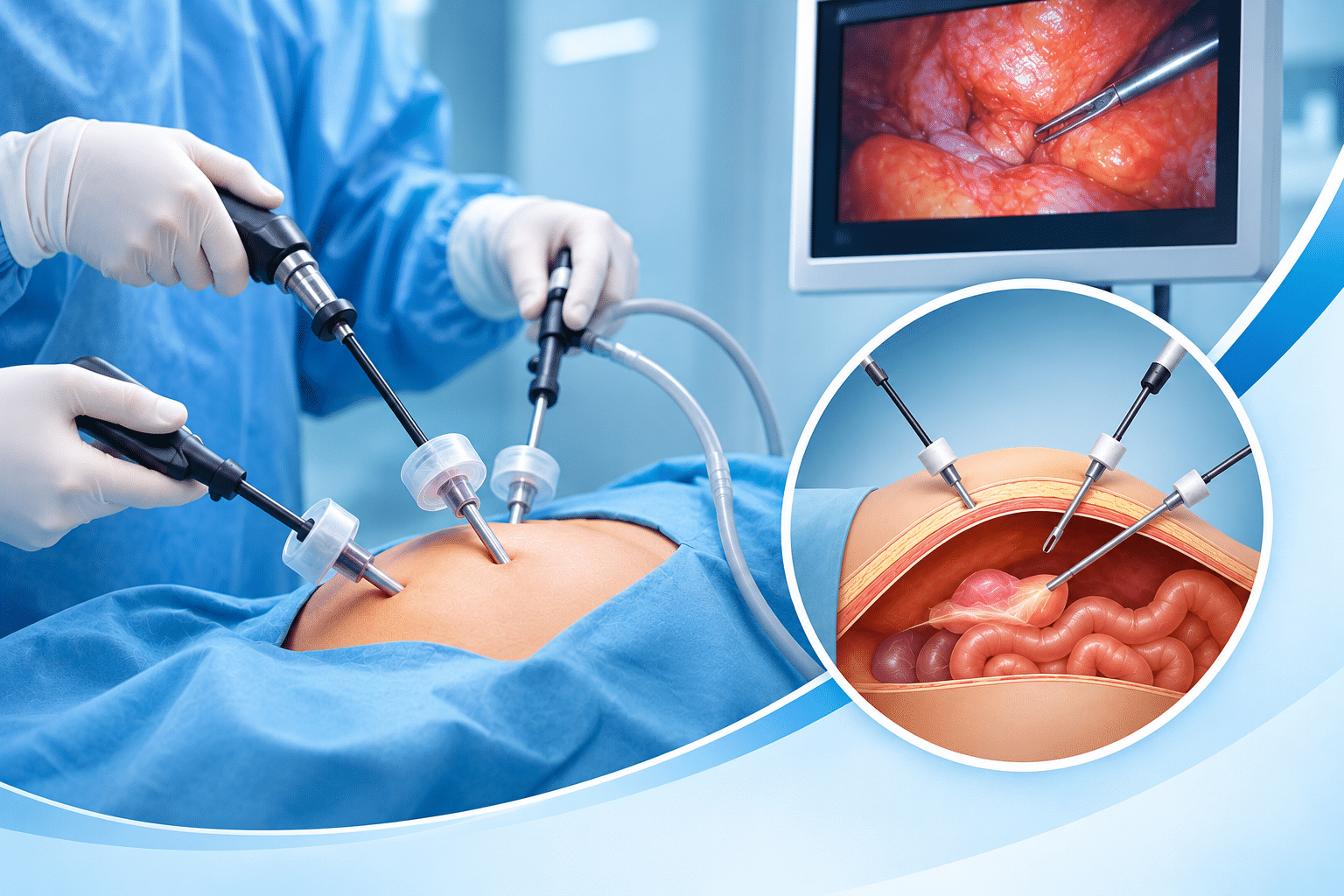
What Is Laparoscopic Surgery in Indore?
Laparoscopic surgery, also known as keyhole surgery, is a technique in which the surgeon operates through small openings rather than making one large incision. A laparoscope with a camera is inserted through an incision, usually near the belly button. The camera displays the internal area on a screen, helping the surgeon perform the procedure with specialized instruments.
Laparoscopic Treatment in Indore may be considered for selected abdominal conditions where a minimally invasive approach is clinically suitable. The procedure may involve diagnosing a problem, removing affected tissue or organs, or repairing a defect, depending on the medical condition.
Unlike traditional open surgery, laparoscopic procedures generally use smaller incisions. However, the complexity of the operation, the patient’s condition and the possibility of complications determine whether this approach is appropriate.
Benefits of Laparoscopic Surgery in Indore
A minimally invasive approach may offer several benefits compared with an open procedure in appropriately selected patients. The actual benefits vary according to the type of surgery and individual health factors.
Common potential benefits include:
- Smaller surgical incisions.
- Smaller visible scars.
- Less tissue disruption in suitable procedures.
- Reduced post-operative discomfort in some cases.
- Potentially shorter hospital stay.
- Earlier return to routine activities for some patients.
- Lower wound-related infection risk in certain procedures.
Patients searching for Laparoscopic Surgery in Indore should understand that these are potential advantages, not guaranteed outcomes. Laparoscopic surgery is still a surgical procedure and may involve risks associated with anaesthesia, bleeding, infection or injury to nearby organs.
When Is Laparoscopic Surgery Recommended?
Dr. Gehlot evaluates and treats many conditions of the abdomen. The most common problems patients consult him for are described below.
Hernia Surgery in Indore
Laparoscopic surgery may be recommended when the patient’s condition can be safely treated through a minimally invasive approach. The surgeon considers the diagnosis, severity of the disease, previous abdominal surgeries, general health and available investigations.
A consultation with a Laparoscopic Surgeon in Indore can help determine whether keyhole surgery is suitable. The surgeon may recommend physical examination, blood tests, ultrasound or other investigations depending on the suspected condition.
Some situations may require open surgery instead. For example, extensive internal scarring, complex disease, certain emergencies or unexpected findings during an operation may make a conventional approach safer. In some cases, a laparoscopic procedure may need to be converted to open surgery for patient safety.
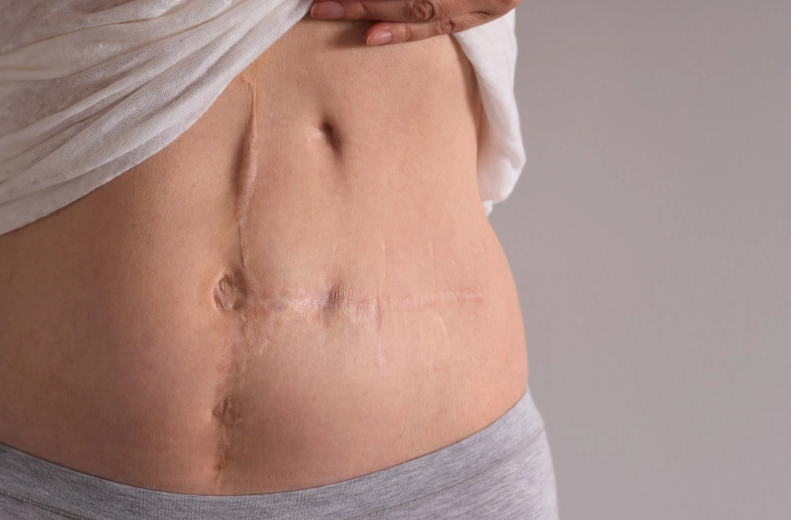
Preparation Laparoscopic Surgery Performed?
Before undergoing Laparoscopic Surgery in Indore, patients should provide complete and accurate medical information to the surgeon. This helps the surgical and anaesthesia teams plan the procedure safely.
Preparation may include:
- Sharing details of previous surgeries and existing medical conditions.
- Informing the doctor about allergies and current medicines.
- Discussing blood thinners and supplements with the medical team.
- Completing recommended blood tests and imaging.
- Following instructions about fasting before anaesthesia.
- Arranging transportation and assistance after discharge.
- Following any specific instructions provided by the hospital.
Patients should not stop prescribed medicines or change their dosage without medical advice. The preparation plan may differ depending on the procedure and the patient’s health.
How Is Laparoscopic Surgery Performed?
1. Pre-operative Assessment
The surgeon reviews the patient's symptoms, medical history, previous operations, medicines and investigation reports. The anaesthesia team also assesses the patient's fitness for the planned procedure.
2. Anaesthesia
Laparoscopic abdominal surgery is commonly performed under general anaesthesia. The patient remains asleep during the operation and is monitored by the anaesthesia team.
3. Small Incisions
The surgeon makes small openings in the abdomen. Carbon dioxide gas is generally introduced to create space and improve visibility inside the abdominal cavity.
4. Camera and Surgical Instruments
A laparoscope is inserted through one incision. Its camera displays the internal area on a monitor. Specialized instruments are introduced through additional small openings to perform the required surgical steps.
5. Completion of the Procedure
After completing the operation, the instruments are removed and the gas is released. The small incisions are closed with sutures, clips or other suitable methods, and dressings are applied.
6. Post-operative Observation
The patient is shifted to the recovery area, where the medical team monitors vital signs, comfort and recovery from anaesthesia. The hospital stay depends on the procedure and the patient's condition.
Recovery After Laparoscopic Surgery in Indore
Recovery depends on the type of operation, the extent of treatment, the patient’s health and whether any complications occur. Many patients experience temporary tiredness, abdominal discomfort, bloating or mild shoulder pain after laparoscopic procedures. These symptoms may be related to the surgery and the gas used to create space inside the abdomen.
After Laparoscopic Surgery in Indore, the treating team provides instructions about wound care, medicines, diet, walking and activity restrictions.
General recovery guidance may include:
- Take prescribed medicines according to instructions.
- Keep the incision areas clean and follow dressing advice.
- Start gentle movement and walking as recommended.
- Drink fluids and follow the diet advised by the medical team.
- Avoid heavy lifting and strenuous exercise until cleared.
- Attend scheduled follow-up appointments.
- Do not drive until the effects of anaesthesia have worn off and the surgeon confirms it is safe.
Recovery time is not the same for every procedure. Patients should follow their surgeon’s advice about returning to work, exercise and daily activities.
Seek medical advice promptly if you develop fever, worsening abdominal pain, persistent vomiting, increasing swelling, redness or discharge around an incision. Difficulty breathing or chest pain requires emergency medical attention.
Risks and Possible Possible
Although laparoscopic surgery is commonly performed, it is not risk-free. Potential complications may include:
- Wound or internal infection.
- Injury to nearby organs, blood vessels or tissues.
- Reactions or complications related to anaesthesia.
- Blood clots.
- Problems related to the gas used during surgery.
- Need to convert to an open operation.
The likelihood of these complications depends on the procedure, the patient’s health and other clinical factors. Before surgery, patients should discuss the expected benefits, risks and alternatives with the surgeon.
Consultation with Dr. Sunil Gehlot
Dr. Sunil Gehlot is a General Surgeon in Indore with over 26 years of experience in surgical care. He completed his MBBS and MS in General Surgery from MGIMS, Sevagram, affiliated with Nagpur University.
His professional experience includes two years at Padhar Mission Hospital, Madhya Pradesh, and three years at Choithram Hospital & Research Centre, Indore. He practices at his own Bhagwati Maternity and Nursing Home in Sanvid Nagar, near Tilak Nagar, and serves as Professor of Surgery and a guide for postgraduate students at Index Medical College, Indore.
His clinical practice includes the surgical management of piles, fissures, fistulas, hernias and appendicitis. He also performs surgeries at hospitals across Indore and surrounding areas. Alongside his clinical and teaching responsibilities, Dr. Gehlot has published four research papers and holds memberships in the Indian Medical Association (IMA) and the Association of Surgeons of India (ASI).
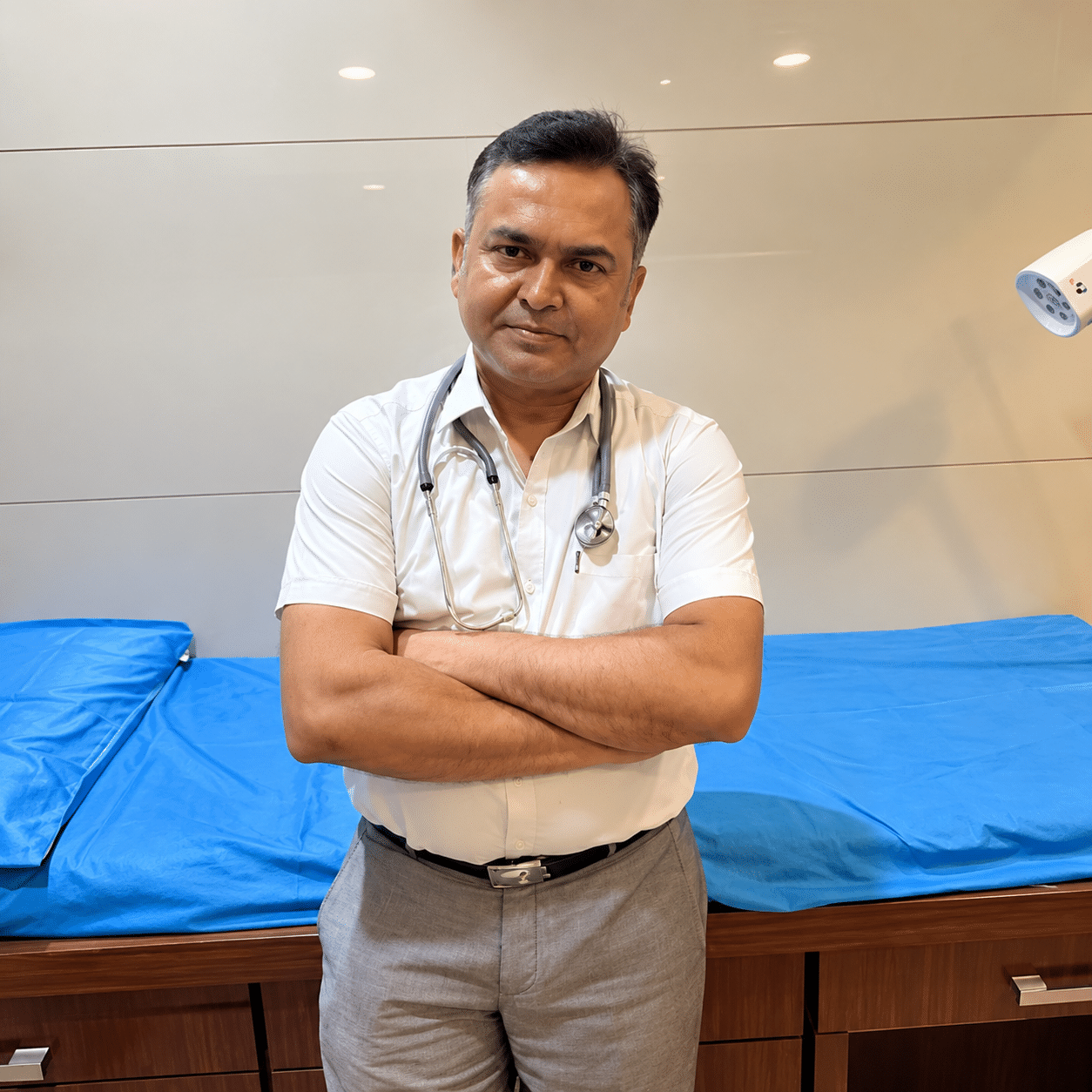
Why Patients Trust Dr. Sunil Gehlot for Abdominal Surgery in Indore
Patients across the city choose Dr. Sunil Gehlot for reasons that go beyond qualifications:
- Experience in general surgery: Many years of surgical practice, including regular management of hernia, appendicitis, piles, fissure and fistula cases.
- Strong training: MS in General Surgery from MGIMS, Sevagram, followed by work at Padhar Mission Hospital and Choithram Hospital & Research Centre.
- Academic standing: Professor of Surgery and postgraduate guide at Index Medical College, Indore.
- Honest advice: Surgery is recommended only when it is truly required.
- Patient-first communication: Every condition and option is explained in simple language.
- Personal attention: Treatment is planned around your condition, comfort and needs.
Frequently Asked Questions
Real experiences from patients who have trusted Dr. Sunil Gehlot with their surgical care.
Laparoscopic surgery uses small incisions, a camera and specialized instruments. Open surgery generally involves a larger incision to access the affected area directly. The appropriate method depends on the condition and the patient's medical suitability.
Laparoscopic surgery is commonly performed and can be suitable for many patients. However, like every operation, it has possible risks, including bleeding, infection, organ injury and anaesthesia-related complications. The surgeon explains individual risks before the procedure.
Most laparoscopic abdominal operations are performed under general anaesthesia. The anaesthesia plan depends on the procedure and the patient's medical condition.
The number and size of incisions depend on the procedure. Many operations use a few small openings to insert the camera and surgical instruments.
Recovery may be faster after some laparoscopic procedures compared with open surgery. However, the recovery period depends on the type and complexity of the operation and the patient's overall health.
No. Some conditions are better treated through open surgery. The choice depends on the diagnosis, severity, previous operations, patient health and the surgeon's assessment.
Some discomfort around the incisions, abdominal bloating or shoulder pain may occur after surgery. The medical team provides instructions and medicines to manage post-operative discomfort.
The return-to-work timeline depends on the operation, recovery and type of work. Patients should follow their surgeon's advice before resuming physically demanding activities.
Yes. If the surgeon identifies unexpected findings or cannot safely complete the procedure laparoscopically, conversion to open surgery may be necessary. Patient safety is the priority.
Patients can consult Dr. Sunil Gehlot at Bhagwati Maternity and Nursing Home, 1/3, Sanvid Nagar, near Tilak Nagar Tempo Stand, behind UCO Bank, Indore.