
- Home
- Piles Treatment
Piles Treatment in Indore
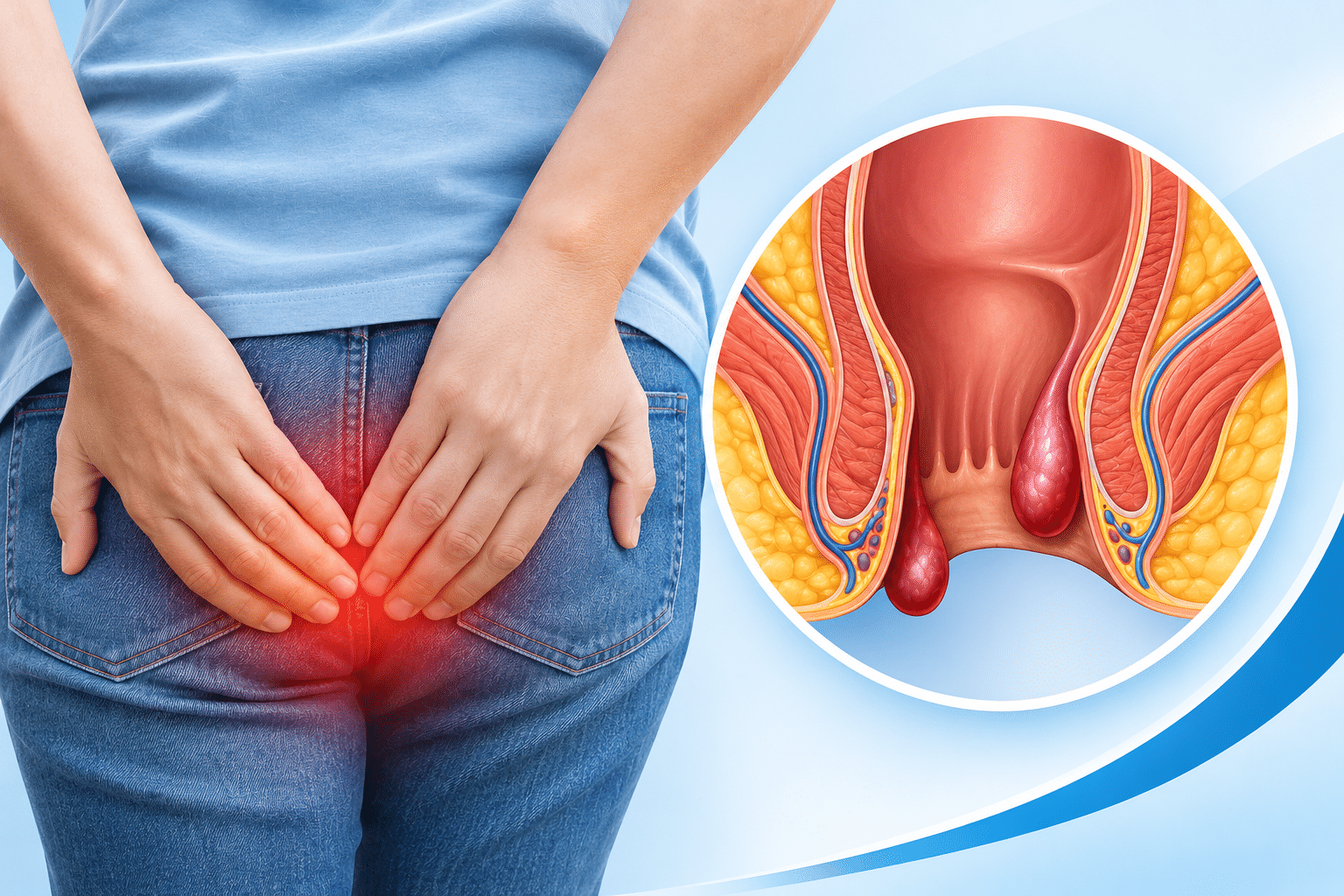
Piles, also called haemorrhoids, are swollen blood vessels in or around the anus and lower rectum. They may cause bleeding during bowel movements, itching, discomfort, swelling or a lump near the anal opening. Symptoms can vary from mild to persistent, and an examination helps identify the cause. Patients looking for Piles Treatment in Indore can consult Dr. Sunil Gehlot, a General Surgeon with more than 26 years of experience in surgical care. A consultation for Piles Treatment in Indore includes a review of symptoms and an explanation of suitable care options.
Dr. Gehlot completed his MBBS and MS in General Surgery from MGIMS, Sevagram, affiliated with Nagpur University. His clinical practice includes the surgical management of piles, fissures, fistulas, hernias and appendicitis. He is associated with Bhagwati Maternity and Nursing Home in Sanvid Nagar, near Tilak Nagar, and also performs surgeries at hospitals across Indore and surrounding areas. The appropriate treatment is selected after assessing symptoms, examination findings and overall health.
What Is Piles Treatment in Indore?
Piles treatment focuses on relieving symptoms, managing the underlying haemorrhoids and reducing the likelihood of recurrence. The treatment depends on the type and grade of piles, the severity of symptoms, and whether complications such as persistent bleeding or a clot are present.
In early or less severe cases, treatment may include dietary and lifestyle changes, adequate fluid intake, fibre-rich foods, avoiding straining and medicines recommended by a doctor. Some patients may need an office-based procedure or surgery if symptoms continue or the condition is advanced. Piles Treatment in Indore begins with identifying the type of haemorrhoids and discussing suitable options rather than choosing a procedure without assessment.
Why Consult an Experienced Piles Surgeon in Indore?
A careful assessment is important because rectal bleeding and anal discomfort can have causes other than piles. An experienced Piles Surgeon in Indore can review the symptoms, examine the affected area when appropriate and advise whether further tests are needed. Consulting a Piles Surgeon in Indore is also useful when symptoms return after earlier treatment. A Piles Surgeon in Indore can explain whether conservative care, a procedure or surgery is appropriate. Patients can discuss their concerns with a Piles Surgeon in Indore before deciding on a treatment plan.
Dr. Sunil Gehlot has over 26 years of experience in general surgical care. His clinical work includes the management of piles and other common surgical conditions. During consultation, patients can discuss the duration of symptoms, bleeding, pain, bowel habits and previous treatment. The plan is based on the patient’s condition, examination findings and medical history.
Patients from Tilak Nagar seeking Piles Treatment in Tilak Nagar can consult at Bhagwati Maternity and Nursing Home, located in Sanvid Nagar near Tilak Nagar. The clinic can be contacted for details about Piles Treatment in Tilak Nagar, including consultation timings. During an appointment for Piles Treatment in Tilak Nagar, the doctor reviews symptoms and recommends an appropriate assessment. People comparing options for Piles Treatment in Tilak Nagar should seek an examination rather than self-diagnose. A consultation about Piles Treatment in Tilak Nagar can help clarify the next steps.
Conditions and Symptoms Evaluated During Piles Treatment in Indore
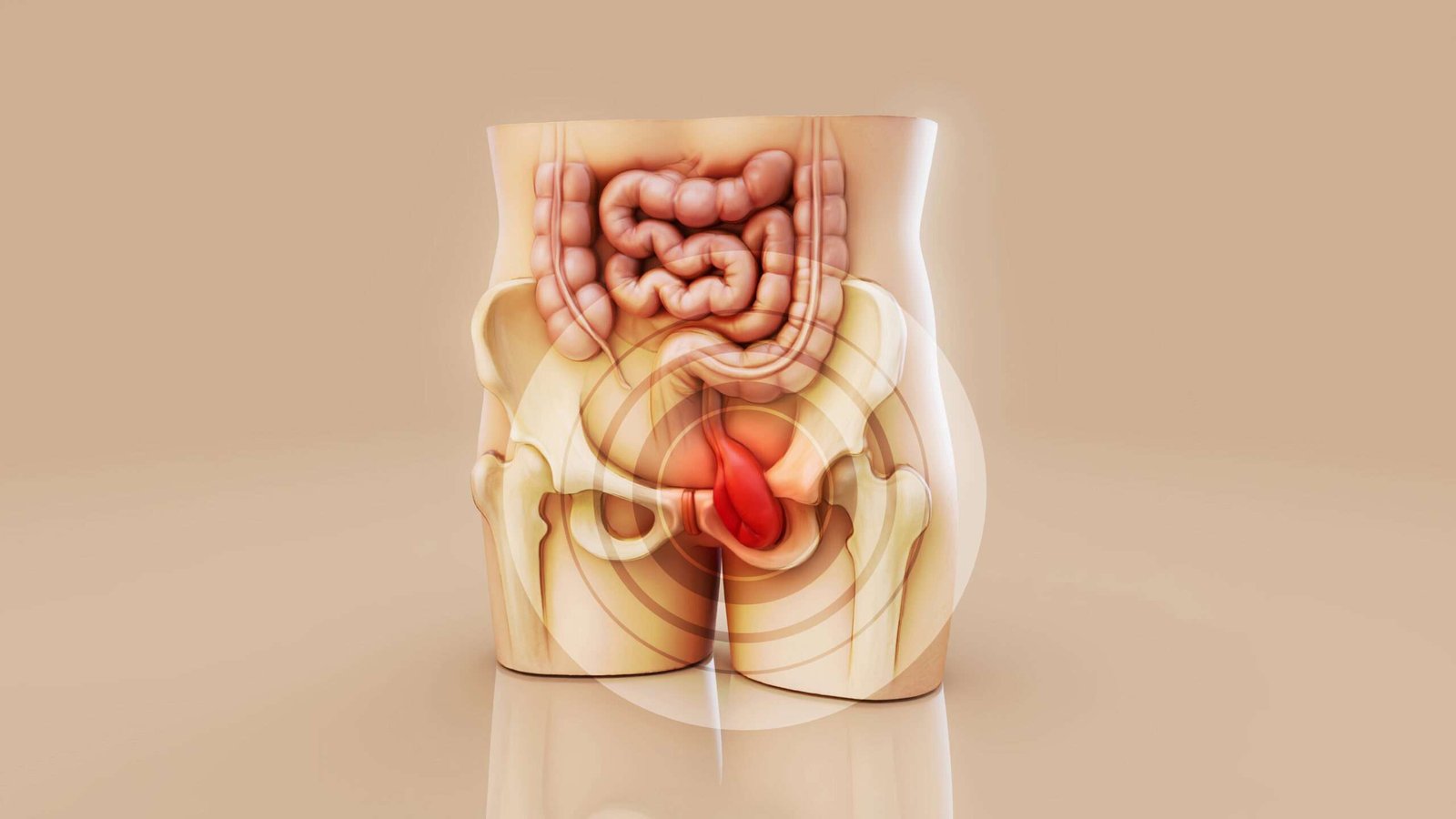
Haemorrhoids may be internal or external. Internal piles develop inside the rectum and may cause painless bleeding, while external piles form under the skin around the anus and can cause pain, swelling or irritation. A blood clot in an external haemorrhoid may lead to sudden, significant discomfort.
Common symptoms that may need evaluation include:
Bright red blood during or after passing stool
Itching, irritation or soreness around the anus
Pain or discomfort while sitting or during bowel movements
A lump or swelling near the anal opening
Mucus discharge or a feeling that the bowel has not emptied completely
These symptoms should not automatically be assumed to be piles. A clinical assessment helps determine whether haemorrhoids or another condition is responsible and whether further investigation is required.
Treatment Options Considered During Piles Treatment in Indore
The choice of treatment depends on the type and grade of haemorrhoids and the patient’s symptoms.
Lifestyle and Dietary Management
Increasing dietary fibre, drinking enough water and avoiding straining can help make stools softer and bowel movements easier. Regular physical activity and responding to the urge to pass stool may also support bowel health. A doctor may recommend medicines or short-term symptom relief when suitable.
Non-Surgical Procedures
Some patients with persistent internal piles may be suitable for an office-based procedure. The choice depends on the diagnosis, grade of haemorrhoids, symptoms and available clinical options. The doctor will explain whether such an approach is appropriate.
Surgical Management
Surgery may be considered for selected patients with advanced, recurrent or complicated haemorrhoids, or when other treatments have not provided adequate relief. The exact procedure depends on the clinical assessment. Patients should discuss expected recovery, possible complications and post-treatment care with the surgeon.
When Is Piles Treatment in Indore Recommended?
Medical advice is recommended when bleeding, pain, itching or swelling persists, returns frequently or affects daily activities. Patients should seek prompt medical attention for heavy bleeding, severe pain, dizziness, fever or rapidly worsening symptoms. Rectal bleeding, especially if new or unexplained, should be assessed rather than self-diagnosed.
A doctor may recommend conservative care for mild symptoms. If symptoms do not improve, recur or are associated with more advanced haemorrhoids, a procedure or surgical treatment may be considered. The decision depends on the diagnosis, severity, previous treatment and the patient’s overall health.
People searching for Piles Treatment in Sudama Nagar can discuss persistent symptoms with a general surgeon and receive advice based on an individual examination. Patients enquiring about Piles Treatment in Sudama Nagar can ask the clinic about consultation availability. A visit for Piles Treatment in Sudama Nagar may include a symptom review and clinical examination. Those considering Piles Treatment in Sudama Nagar should mention any bleeding, pain or swelling during consultation. The doctor can explain suitable care options for Piles Treatment in Sudama Nagar after assessment. The clinic can also guide patients about Piles Treatment in Sudama Nagar.
How Is Piles Treatment in Indore Planned?
Step 1: Consultation and Symptom Review
The doctor asks about bleeding, pain, itching, swelling, bowel habits, duration of symptoms and any previous treatment. Patients should mention medicines they take and relevant medical conditions.
Step 2: Clinical Examination
An examination may be advised to identify the likely cause and assess the severity of the condition. Depending on symptoms and clinical findings, further evaluation may be recommended to rule out other causes of bleeding.
Step 3: Discussion of Treatment Options
The doctor explains whether lifestyle measures, medicines, an office-based procedure or surgery may be appropriate. The benefits, limitations, risks and expected recovery are discussed before a treatment decision is made.
Step 4: Treatment and Follow-Up
The selected treatment is carried out according to the patient's needs. Follow-up helps review healing, symptom relief and any concerns that arise during recovery.
Preparing for Piles Treatment in Indore
Preparation depends on the treatment being planned. Before any procedure, patients should share their medical history, allergies and a list of current medicines, including blood-thinning medicines. Do not stop prescribed medication unless the treating doctor advises you to do so.
The doctor may provide instructions about food, fluids, medicines and arrangements for the day of a procedure. Patients should ask questions if any instruction is unclear and follow the specific guidance provided by the treating team.
Recovery and Care After Piles Treatment in Indore
Recovery varies according to the type of treatment, the severity of the condition and the patient’s general health. After treatment, the doctor may advise dietary fibre, adequate fluids, gentle activity and avoiding straining. Medicines and local care should be used only as directed.
Some discomfort may occur after certain procedures. Patients should follow the instructions provided for pain relief, wound care and follow-up. Contact the treating doctor if there is heavy bleeding, fever, increasing pain, difficulty passing urine or any symptom that causes concern.
Why Patients Trust Dr. Sunil Gehlot for piles treatment in Indore
Patients across the city choose Dr. Sunil Gehlot for reasons that go beyond qualifications:
- Experience in general surgery: Many years of surgical practice, including regular management of hernia, appendicitis, piles, fissure and fistula cases.
- Strong training: MS in General Surgery from MGIMS, Sevagram, followed by work at Padhar Mission Hospital and Choithram Hospital & Research Centre.
- Academic standing: Professor of Surgery and postgraduate guide at Index Medical College, Indore.
- Honest advice: Surgery is recommended only when it is truly required.
- Patient-first communication: Every condition and option is explained in simple language.
- Personal attention: Treatment is planned around your condition, comfort and needs.
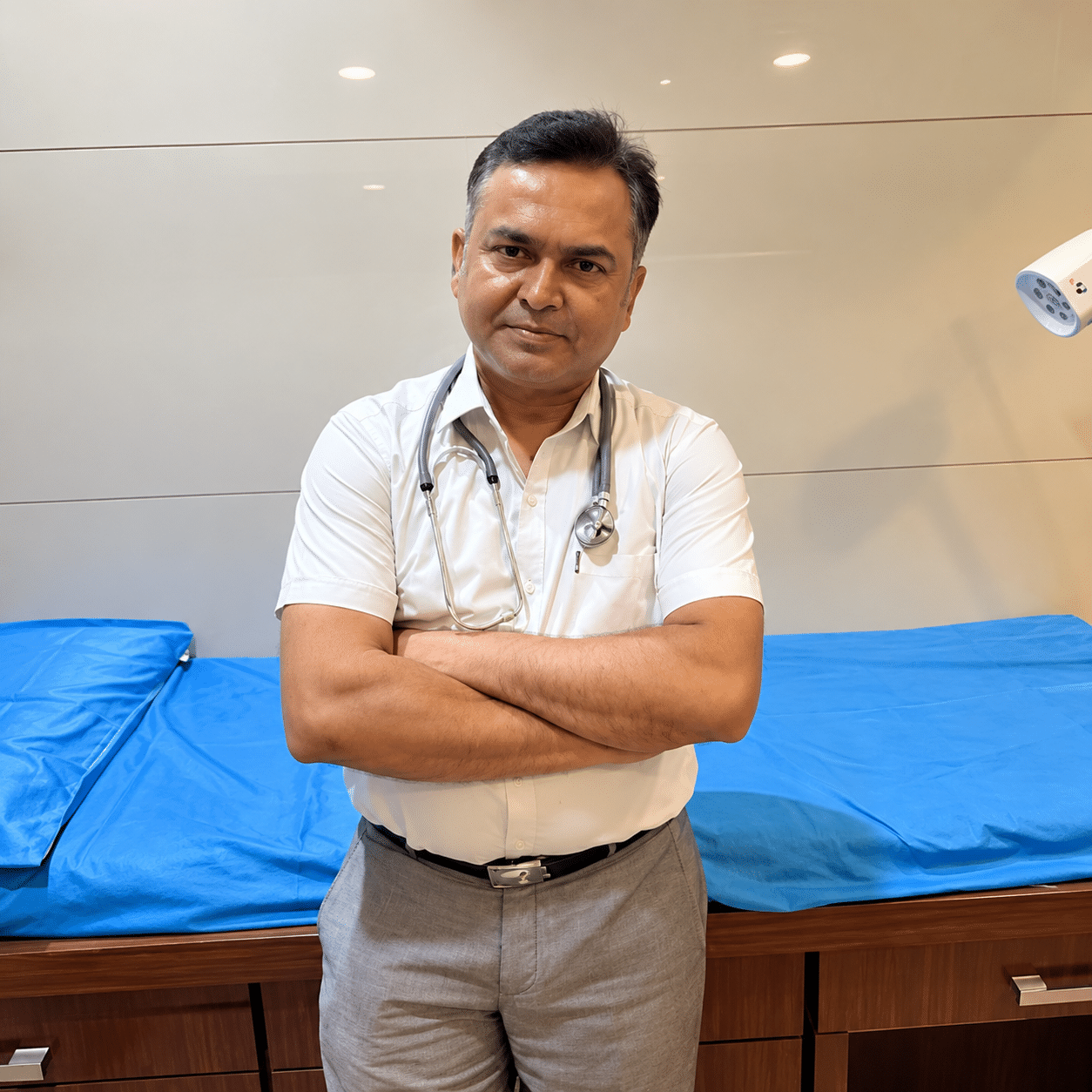
Dr. Sunil Gehlot is a General Surgeon with more than 26 years of experience in surgical care. He completed MBBS and MS in General Surgery from MGIMS, Sevagram, affiliated with Nagpur University. His professional experience includes work at Padhar Mission Hospital, Madhya Pradesh, and Choithram Hospital & Research Centre, Indore.
Frequently Asked Questions
Real experiences from patients who have trusted Dr. Sunil Gehlot with their surgical care.
Common symptoms include bleeding during bowel movements, itching, irritation, pain, swelling or a lump around the anus. Symptoms differ between individuals, and an examination is needed to confirm the cause.
Mild piles may improve with dietary changes, adequate fluid intake, fibre, avoiding straining and suitable medical treatment. Surgery is considered only when the condition and symptoms warrant it.
Consult a Piles Surgeon in Indore if bleeding, pain, itching or swelling persists, recurs or affects daily activities. Heavy bleeding, severe pain or rapidly worsening symptoms need prompt medical attention.
No. Rectal bleeding can have several causes. A medical assessment is important to identify the cause and decide whether further tests are needed.
The doctor reviews the symptoms and performs an appropriate clinical examination. Further evaluation may be advised depending on the patient's age, symptoms and examination findings.
Recovery depends on the procedure, severity of the condition and individual healing. The surgeon provides specific guidance about activity, wound care, medicines and follow-up.
Symptoms can recur, particularly if constipation and straining continue. Fibre-rich food, adequate fluids, regular bowel habits and following medical advice may help reduce the risk.
A fibre-rich diet with vegetables, fruits, whole grains and adequate fluids may help soften stools. Individual dietary advice can be discussed with the treating doctor.
No. Many patients can be managed with conservative care or non-surgical options. Surgery is considered according to the type, grade, symptoms and response to other treatments.
Consultation is available at Bhagwati Maternity and Nursing Home, 1/3, Sanvid Nagar, near Tilak Nagar Tempo Stand, behind UCO Bank, Indore. Contact the clinic to confirm appointment availability and enquire about Piles Treatment in Tilak Nagar.