
- Home
- Anal Fissure Surgery
Anal Fissure Surgery in Indore
Anal fissure is a common condition in which a small tear or cut develops in the lining of the anal canal. It can cause sharp pain during bowel movements, burning or discomfort afterward, and sometimes fresh bleeding. The pain may become severe enough that patients start avoiding bowel movements, which can worsen constipation and delay healing.
Many anal fissures improve with dietary changes, medicines, and proper bowel habits. However, some chronic fissures do not respond adequately to conservative treatment and may require surgical evaluation. Anal Fissure Surgery in Indore may be considered when symptoms persist, the fissure does not heal, or repeated episodes significantly affect daily life.
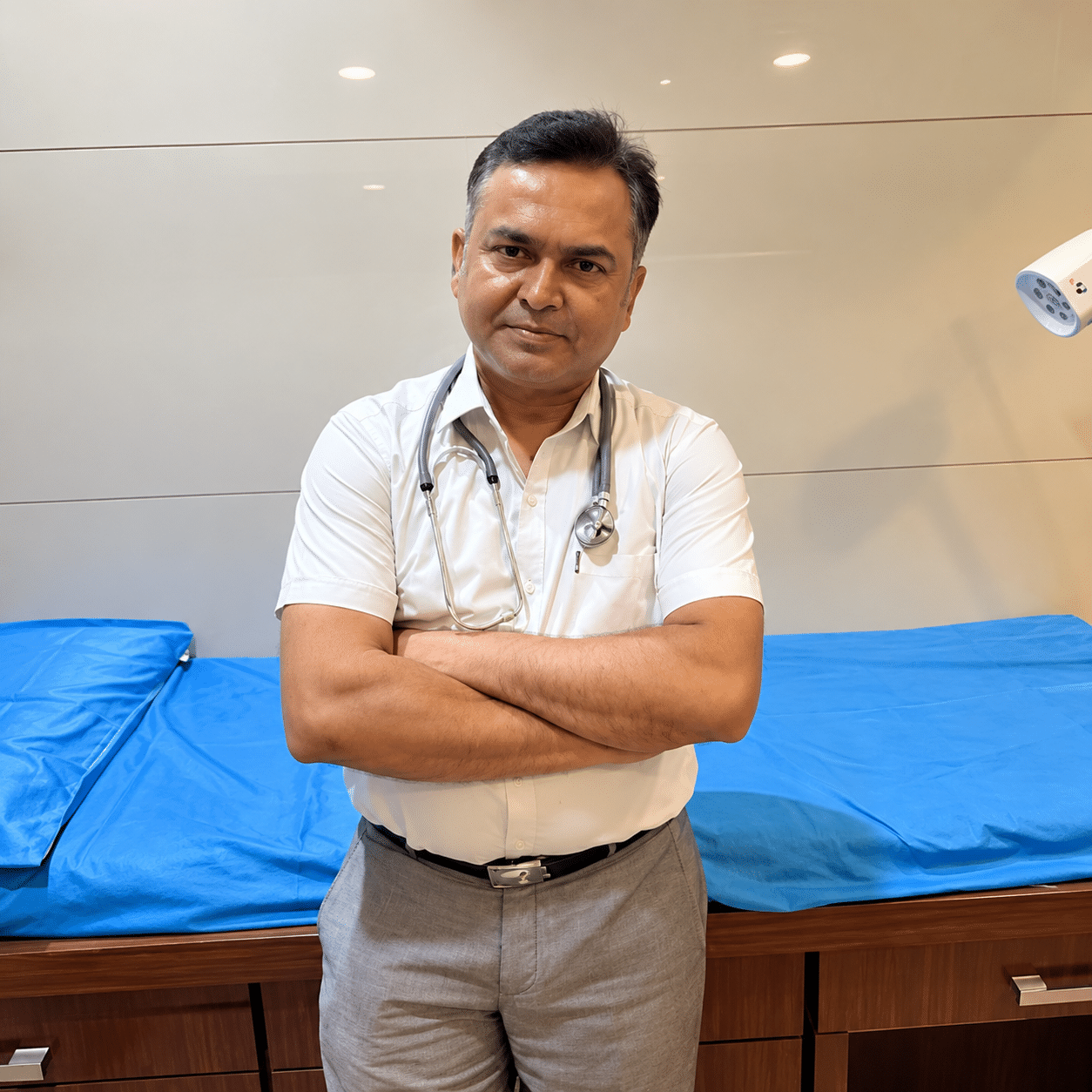
Dr. Sunil Gehlot is a General Surgeon in Indore with more than 26 years of surgical experience. His clinical practice includes the surgical management of conditions such as piles, fissures, fistulas, hernias, and appendicitis. Patients from Sanvid Nagar, Tilak Nagar, Bengali Square, and nearby localities can seek consultation at Bhagwati Maternity and Nursing Home for assessment and treatment planning
What Is Anal Fissure Surgery in Indore?
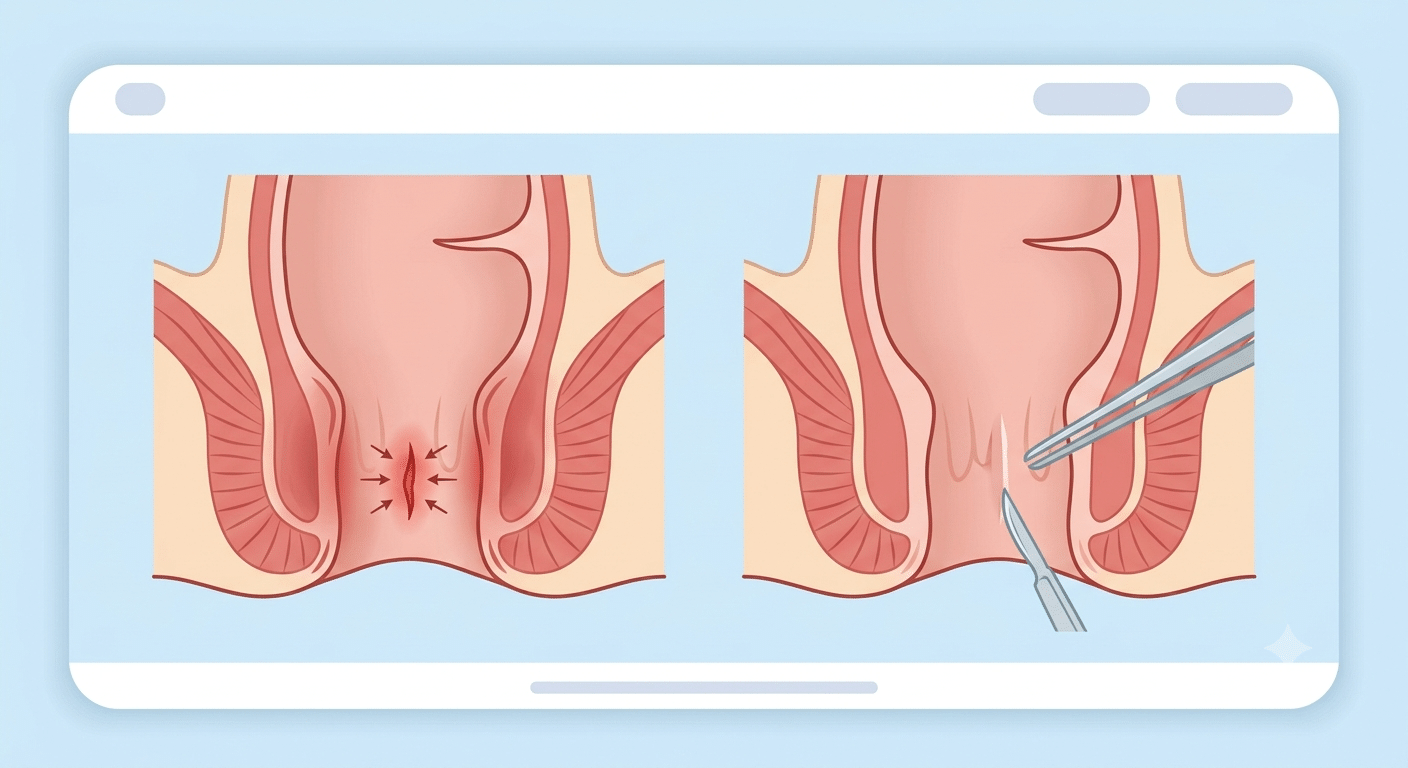
Anal fissure surgery refers to procedures used to treat selected chronic or difficult-to-heal anal fissures. An anal fissure develops when the delicate lining of the anal canal gets torn, often due to passing hard stools, constipation, or repeated irritation.
In some patients, the internal anal sphincter muscle becomes excessively tight or goes into spasm. This can reduce blood flow to the affected area, increase pain, and interfere with healing.
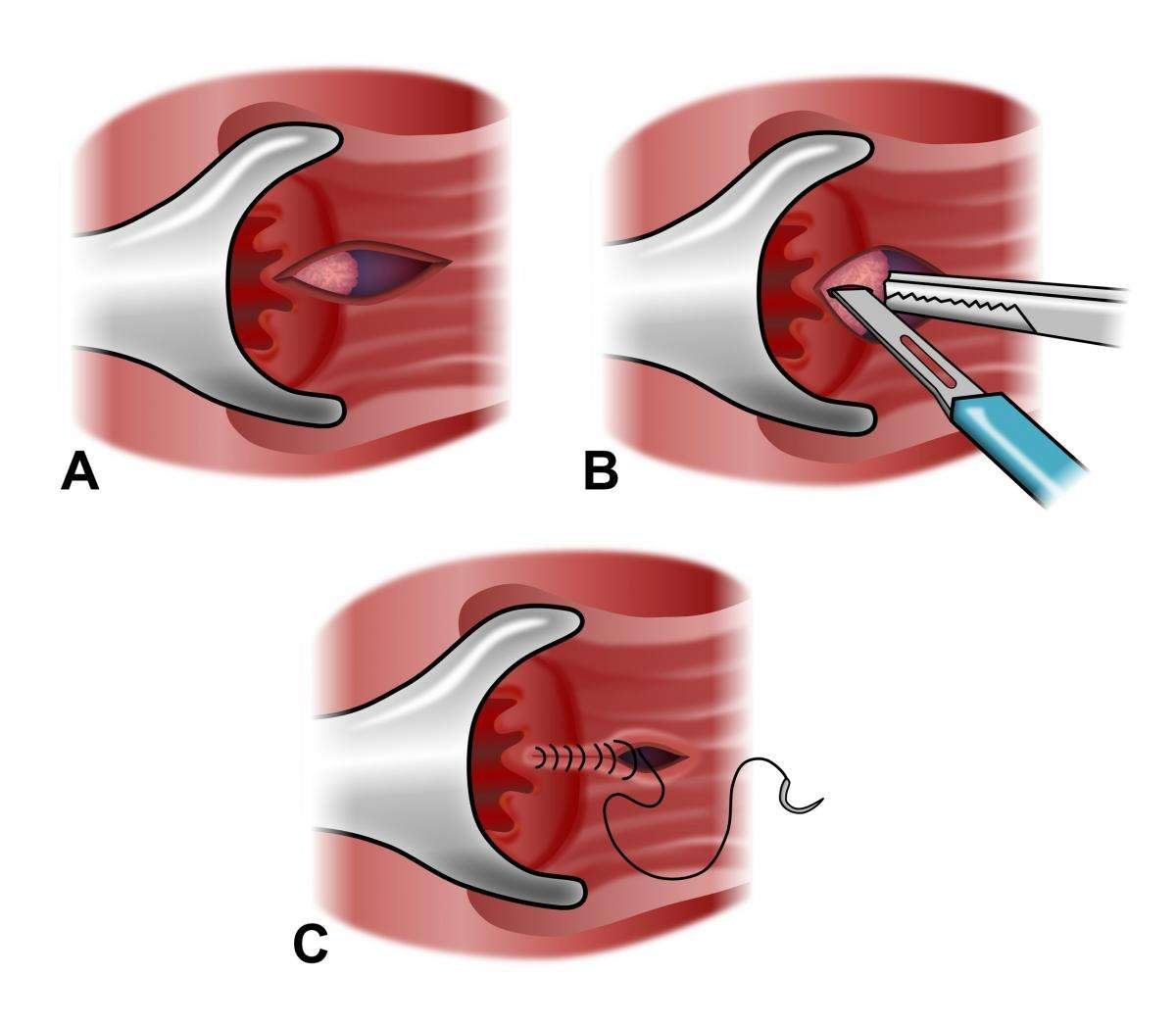
One commonly used surgical procedure is called Lateral Internal Sphincterotomy (LIS). In this procedure, the surgeon carefully divides a small portion of the internal anal sphincter muscle to reduce excessive pressure and allow the fissure to heal.
Depending on the patient’s condition, other treatment options, including botulinum toxin injection, may also be discussed. The choice of treatment depends on the duration of symptoms, previous treatment, sphincter function, and individual risk factors.
Why Is Anal Fissure Surgery in Indore Recommended?
Not every anal fissure requires an operation. Acute fissures often improve with appropriate medical treatment, adequate fibre intake, hydration, stool-softening measures, and medicines prescribed by the doctor.
However, surgery may be considered when:
The fissure continues to cause pain and bleeding despite appropriate treatment.
Symptoms persist for several weeks and the fissure becomes chronic.
Repeated episodes interfere with normal bowel movements.
Excessive anal sphincter tightness contributes to delayed healing.
A chronic fissure is associated with a sentinel skin tag or other persistent changes.
The patient’s symptoms significantly affect daily activities and quality of life.
A consultation for Anal Fissure Surgery in Indore helps determine whether surgery is necessary or whether another treatment approach may be more suitable.
What Are the Common Types of Anal Fissures?
Anal fissures are generally classified according to how long they have been present and how the affected tissue appears.
1. Acute Anal Fissure
An acute fissure is a relatively recent tear in the anal lining. It commonly develops after passing hard or bulky stools. Patients may experience sharp pain during bowel movements and a small amount of fresh red bleeding. Many acute fissures improve with non-surgical treatment, so an operation is usually not the first treatment option.
2. Chronic Anal Fissure
A chronic fissure is a long-standing tear that does not heal properly. It may develop thickened edges, a sentinel skin tag, or visible fibres of the internal sphincter muscle. Chronic fissures may require additional treatment when dietary measures and prescribed medicines do not provide sufficient improvement.
3. Recurrent Anal Fissure
A recurrent fissure is one that heals and later returns. Repeated constipation, hard stools, diarrhoea, and persistent sphincter spasm may contribute to recurrence. Patients with repeated symptoms should undergo an examination to identify the underlying cause and decide on an appropriate treatment plan.
When Is Anal Fissure Surgery in Indore Recommended?
Anal Fissure Surgery in Indore may be recommended when a chronic fissure fails to improve with suitable non-surgical treatment and the examination indicates that an operation may provide benefit.
1. Persistent Pain During Bowel Movements
Pain that continues for weeks can indicate that the fissure has not healed. The doctor evaluates the symptoms and examines the affected area before recommending further treatment.
2. Repeated Bleeding
Fresh bleeding during or after bowel movements may occur with an anal fissure. Repeated bleeding needs proper assessment to confirm its cause and rule out other anorectal conditions.
3. Chronic Fissure That Does Not Heal
A fissure that remains open despite appropriate medication and bowel habit changes may require additional treatment. Surgical options can be discussed when conservative management has not worked.
4. Severe Anal Sphincter Spasm
Excessive tightness of the internal anal sphincter may reduce blood flow to the fissure and delay healing. Selected patients may benefit from treatment that reduces sphincter pressure.
5. Recurrent Symptoms
Repeated episodes of pain and bleeding can affect daily activities and bowel habits. A detailed assessment helps determine whether the fissure has become chronic and whether surgery should be considered.
What Are the Symptoms of an Anal Fissure Surgery in Indore?
Surgery is considered when other options are unlikely to solve the problem, or when waiting could cause harm. Typical situations include:
- A hernia that is painful, growing or interfering with daily activity
- Acute appendicitis
- An abdominal swelling or lump that needs diagnosis and treatment
- Severe abdominal pain where the cause is found to be surgical
- A complication that cannot be managed with medicines alone
Dr. Gehlot does not recommend surgery casually. The decision is based on your examination, test results, overall health and personal preferences. When you ask whether you need abdominal surgery in Indore, the honest answer begins with a proper diagnosis, and that is what you receive at your first consultation.
How Dr. Sunil Gehlot Plans Your Treatment Anal Fissure
Before recommending Anal Fissure Surgery in Indore, the doctor evaluates the patient’s symptoms, medical history, and physical findings. The treatment plan is based on the type of fissure and the patient’s overall health.
1. Medical History
The doctor may ask about the duration of pain, bleeding, constipation, bowel habits, previous treatments, and any history of anorectal surgery.
2. Clinical Examination
An examination helps identify the location and appearance of the fissure and assess whether there are signs of chronic disease or associated conditions. The examination method is selected according to the patient's comfort and clinical requirements.
3. Additional Investigations
Most typical anal fissures can be diagnosed through clinical assessment. Additional tests, such as anoscopy or other investigations, may be recommended when symptoms are unusual, persistent, or suggest another condition.
4. Treatment Planning
After reviewing the findings, the doctor explains the available treatment options. These may include dietary changes, medicines, topical treatment, botulinum toxin injection, or surgery in selected cases.
How to Prepare for Anal Fissure Surgery in Indore
Preparation depends on the procedure, anaesthesia, and the patient’s medical history. The doctor may recommend:
Sharing details of existing medical conditions.
Informing the surgeon about previous anorectal procedures.
Discussing any history of difficulty controlling gas or stool.
Providing information about regular medicines and allergies.
Informing the doctor about blood-thinning medicines.
Completing blood tests or other investigations if advised.
Following fasting instructions if anaesthesia requires it.
Following the surgeon’s instructions regarding bowel preparation and medicines.
Patients should not stop prescribed medicines without consulting their doctor.
Recovery After Anal Fissure Surgery in Indore
Mild pain, tenderness, or discomfort may occur during the initial recovery period. The doctor may recommend medicines, warm sitz baths, and suitable wound care.
Important recovery instructions may include:
Maintaining soft and regular bowel movements.
Eating fibre-rich foods.
Drinking adequate water.
Avoiding excessive straining during bowel movements.
Taking prescribed medicines as directed.
Following instructions for warm sitz baths.
Attending follow-up appointments.
Avoiding strenuous activities until advised by the surgeon.
The healing period varies between patients. Maintaining healthy bowel habits remains important even after symptoms improve because constipation and repeated straining can contribute to recurrence.
Why Patients Trust Dr. Sunil Gehlot for Anal Fissure Surgery in Indore
Patients across the city choose Dr. Sunil Gehlot for reasons that go beyond qualifications:
- Experience in general surgery: Many years of surgical practice, including regular management of hernia, appendicitis, piles, fissure and fistula cases.
- Strong training: MS in General Surgery from MGIMS, Sevagram, followed by work at Padhar Mission Hospital and Choithram Hospital & Research Centre.
- Academic standing: Professor of Surgery and postgraduate guide at Index Medical College, Indore.
- Honest advice: Surgery is recommended only when it is truly required.
- Patient-first communication: Every condition and option is explained in simple language.
- Personal attention: Treatment is planned around your condition, comfort and needs.
His clinical practice includes surgical management of piles, fissures, fistulas, hernias, and appendicitis. Patients can seek consultation at Bhagwati Maternity and Nursing Home for evaluation of persistent anal pain, bleeding, and other anorectal symptoms.
Frequently Asked Questions
Real experiences from patients who have trusted Dr. Sunil Gehlot with their surgical care.
No. Most acute anal fissures can improve with dietary changes, medicines, hydration, and proper bowel habits. Surgery is generally considered for selected chronic fissures that do not respond adequately to conservative treatment.
Lateral internal sphincterotomy is a surgical procedure in which a small, controlled portion of the internal anal sphincter muscle is divided. This reduces excessive muscle pressure and helps the fissure heal.
Anaesthesia is used during the procedure to reduce pain. Some discomfort may occur during recovery, but the doctor can recommend appropriate medicines and care instructions.
The duration depends on the surgical technique, the patient's condition, and the anaesthesia method. The surgeon can provide a more specific estimate after examination and treatment planning.
Yes. Many fissures heal with fibre intake, adequate hydration, stool-softening measures, warm sitz baths, and prescribed topical medicines. Surgery is considered when appropriate non-surgical treatment does not provide sufficient improvement.
Recurrence is possible, although the risk depends on the procedure and individual factors. Maintaining soft stools, avoiding straining, and following medical advice can help reduce the risk of repeated symptoms.
Potential risks include bleeding, infection, delayed wound healing, and changes in bowel control. Sphincterotomy requires careful patient selection because some patients may develop difficulty controlling gas or stool.
The recovery period varies according to the procedure and individual healing. Many patients gradually resume routine activities over the following days, but strenuous activity should be avoided until the surgeon provides clearance.
A fibre-rich diet containing fruits, vegetables, whole grains, and adequate fluids can help maintain soft stools. The doctor may also recommend stool-softening measures depending on the patient's condition.
Patients can visit Bhagwati Maternity and Nursing Home, Sanvid Nagar, near Tilak Nagar Tempo Stand, Indore, for consultation and clinical assessment with Dr. Sunil Gehlot.