
- Home
- Wound Management
Wound Management in Indore
Wounds can develop due to injuries, cuts, burns, surgical procedures, infections, or underlying medical conditions. While minor wounds may heal with basic care, some wounds require proper medical assessment, regular dressing, and ongoing treatment. Delayed healing, infection, and repeated tissue damage can make wound care more complicated.
Proper wound management focuses on cleaning the affected area, controlling infection, protecting damaged tissue, and supporting the body’s natural healing process. Wound Management in Indore may be required for patients with open wounds, infected wounds, surgical wounds, chronic ulcers, or injuries that are not healing as expected.
Dr. Sunil Gehlot is a General Surgeon in Indore with more than 26 years of surgical experience. His clinical practice includes the surgical management of conditions such as piles, fissures, fistulas, hernias, and appendicitis. Patients from Sanvid Nagar, Tilak Nagar, Bengali Square, and nearby areas can seek surgical consultation at Bhagwati Maternity and Nursing Home for wound assessment and treatment planning.
What Is Wound Management in Indore?
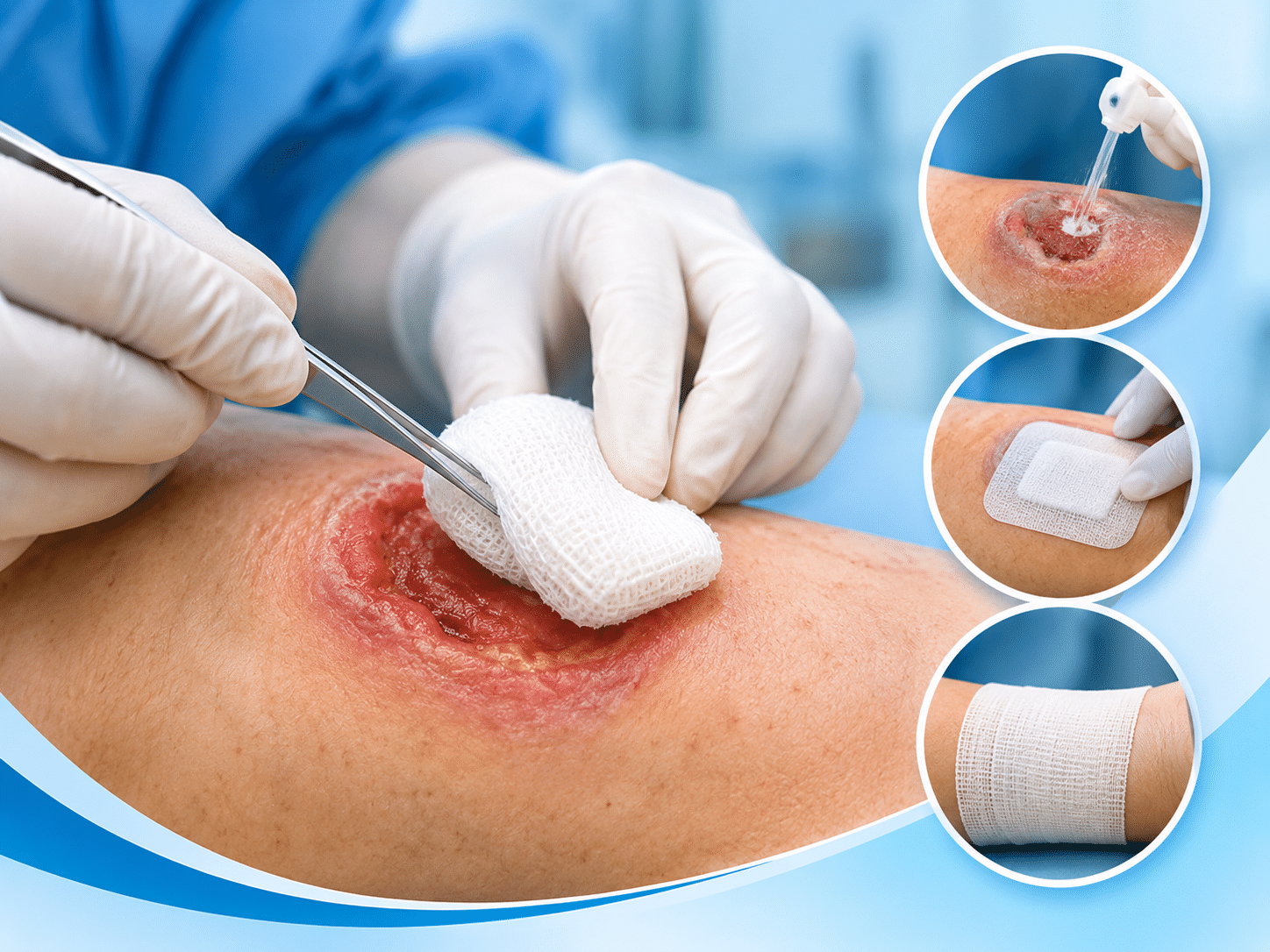
Wound management refers to the medical care provided to an injured or damaged area of the skin and underlying tissues. The aim is to support healing, prevent infection, remove unhealthy tissue when necessary, and protect the wound during recovery.
Wound Management in Indore may involve wound examination, cleaning, dressing, infection assessment, removal of damaged tissue, and follow-up care. The treatment approach depends on the type of wound, its depth, size, location, and the patient’s general health.
Some wounds heal naturally with proper cleaning and dressing, while others require additional medical or surgical treatment. Patients with diabetes, poor circulation, or reduced immunity may need closer monitoring because their wounds can take longer to heal.
Why Is Proper Wound Management Important?
A wound that is not cared for properly may become infected or take longer to heal. In some cases, the infection can spread to surrounding tissues and cause further complications.
Timely Wound Management in Indore can help identify healing problems and provide suitable care based on the condition of the affected tissue.
Proper wound care is important because it helps:
Remove dirt and contaminants from the affected area.
Protect the wound from further injury.
Reduce the risk of infection.
Manage discharge and excess moisture.
Identify dead or damaged tissue.
Support the formation of healthy tissue.
Monitor wound healing through regular follow-up.
Recognise complications at an early stage.
A doctor may also evaluate underlying conditions such as diabetes, poor blood circulation, or nutritional deficiencies when a wound does not heal normally.
What Are the Common Types of Wounds?
Wounds can be classified according to their cause, depth, and healing pattern. Each type may require a different treatment approach.
1. Acute Wounds
Acute wounds usually develop suddenly due to cuts, injuries, falls, or accidents. These wounds generally heal through the body’s normal repair process when they receive appropriate care. The doctor examines the wound to determine whether cleaning, dressing, stitches, or another treatment is needed.
2. Chronic Wounds
Chronic wounds do not heal within the expected period and may remain open for several weeks or longer. They can develop due to poor circulation, diabetes, repeated pressure, or other medical conditions. These wounds may require regular assessment and a treatment plan addressing the underlying cause.
3. Infected Wounds
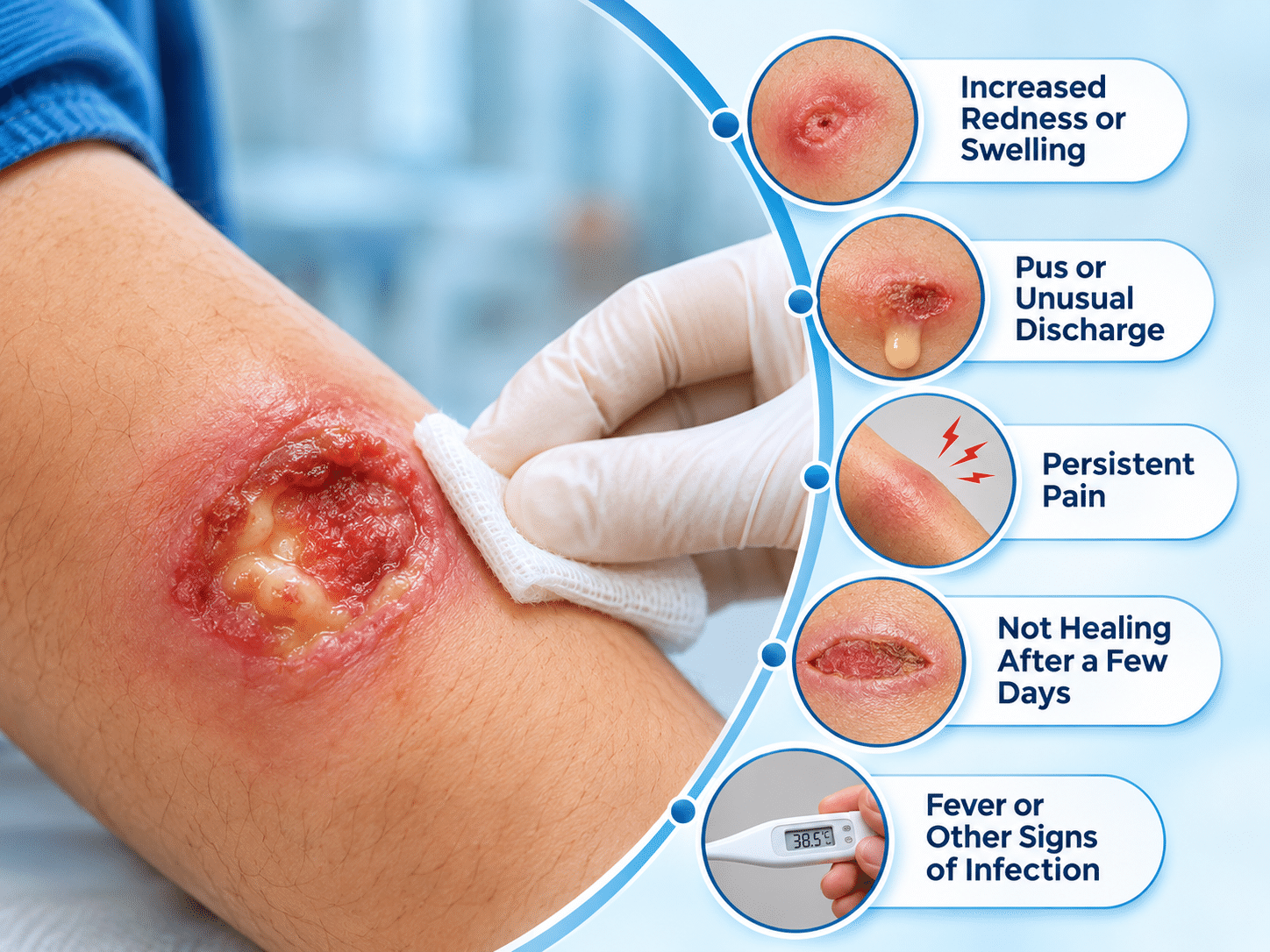
A wound can become infected when bacteria enter damaged tissue. Signs may include increasing pain, redness, swelling, warmth, pus, and sometimes fever. Medical evaluation is important because an infected wound may need cleaning, drainage, wound care, or antibiotics depending on the findings.
4. Surgical Wounds
Surgical wounds develop after an operation. Most heal with proper wound care, but some may develop infection, delayed healing, or wound separation. Regular examination and dressing may be required to monitor recovery and identify complications.
5. Diabetic Foot Wounds
Diabetic foot wounds may develop due to nerve damage, reduced blood circulation, pressure, or minor injuries that go unnoticed. These wounds can become serious if not treated promptly. Patients with diabetes should seek early medical attention for any foot wound, blister, ulcer, or signs of infection.
6. Pressure Wounds
Pressure wounds develop when prolonged pressure affects the skin and underlying tissues. They commonly occur around the heels, hips, ankles, and other areas where bones are close to the skin.Treatment focuses on reducing pressure, protecting the affected area, and managing damaged tissue.
What Are the Signs of a Wound That Needs Medical Attention?
Not every wound requires surgical treatment, but certain symptoms indicate that medical assessment is necessary.
Common warning signs include:
Increasing redness around the wound.
Swelling or warmth in the affected area.
Persistent or increasing pain.
Pus or unusual discharge.
Unpleasant smell from the wound.
Bleeding that does not stop.
Wound edges separating or opening.
Skin becoming dark or discoloured around the wound.
Delayed healing despite regular dressing.
Fever or chills along with wound symptoms.
Patients experiencing these symptoms should seek medical evaluation. Severe bleeding, rapidly spreading redness, fever with worsening infection, or a deep injury requires urgent medical attention.
How Dr. Sunil Gehlot Plans Your Treatment
Before recommending Wound Management in Indore, the doctor examines the wound and reviews the patient’s medical history. The purpose is to understand the cause of delayed healing, identify infection, and determine the appropriate treatment.
1. Medical History
The doctor may ask when the wound developed, how it occurred, whether it has been treated previously, and whether there is pain, discharge, or bleeding. Information about diabetes, circulation problems, allergies, and regular medicines may also be important.
2. Physical Examination
The wound is examined to assess its size, depth, location, surrounding skin, discharge, and signs of infection. The doctor may also check for swelling, damaged tissue, and changes in skin colour.
3. Additional Investigations
Some wounds may require additional tests. Depending on the condition, these may include blood tests, wound culture, ultrasound, or vascular assessment. Investigations are selected according to the wound's appearance, suspected infection, and the patient's medical history.
4. Treatment Planning
After reviewing the findings, the doctor explains the suitable care plan. It may include wound cleaning, dressing, medication, drainage, removal of unhealthy tissue, or referral for specialised treatment when required.
How to Prepare for Wound Management in Indore
Preparation depends on the type of wound and the treatment planned. The doctor may recommend:
Sharing details about how and when the wound developed.
Informing the doctor about diabetes or other medical conditions.
Providing information about regular medicines and allergies.
Mentioning previous wound infections or surgical procedures.
Keeping the wound protected before the appointment.
Avoiding home remedies or unprescribed substances on the wound.
Following instructions regarding medicines or preparation if a procedure is planned.
Patients should not attempt to cut, squeeze, or remove damaged tissue themselves.
Recovery and Follow-Up Wound Management in Indore
Wound healing varies depending on its size, depth, location, infection status, and the patient’s overall health. Some minor wounds heal within a short period, while chronic or complicated wounds may need regular care over several weeks.
After treatment, the doctor may recommend:
Keeping the wound clean and protected.
Changing dressings as instructed.
Taking prescribed medicines when required.
Avoiding pressure or friction on the affected area.
Maintaining adequate nutrition and hydration.
Managing blood sugar levels if diabetic.
Attending regular follow-up appointments.
Reporting increasing pain, redness, swelling, or discharge.
Patients should not stop wound care simply because the surface appears improved. Follow-up helps confirm that the deeper tissues are healing appropriately.
Why Patients Trust Dr. Sunil Gehlot for Wound Management in Indore
Patients across the city choose Dr. Sunil Gehlot for reasons that go beyond qualifications:
- Experience in general surgery: Many years of surgical practice, including regular management of hernia, appendicitis, piles, fissure and fistula cases.
- Strong training: MS in General Surgery from MGIMS, Sevagram, followed by work at Padhar Mission Hospital and Choithram Hospital & Research Centre.
- Academic standing: Professor of Surgery and postgraduate guide at Index Medical College, Indore.
- Honest advice: Surgery is recommended only when it is truly required.
- Patient-first communication: Every condition and option is explained in simple language.
- Personal attention: Treatment is planned around your condition, comfort and needs.
His clinical practice includes the surgical management of piles, fissures, fistulas, hernias, and appendicitis. Patients can seek consultation at Bhagwati Maternity and Nursing Home for the evaluation of wounds, infections, and conditions that may require surgical attention.
Frequently Asked Questions
Real experiences from patients who have trusted Dr. Sunil Gehlot with their surgical care.
Wound management may include examination, cleaning, dressing, infection assessment, debridement, and follow-up care. The treatment depends on the type and severity of the wound.
Dressing frequency depends on the wound, the type of dressing, and the amount of discharge. The treating doctor provides instructions about when and how to change it.
Increasing redness, swelling, warmth, pain, pus, unpleasant smell, or fever may indicate infection. Medical assessment is important if these symptoms develop.
Yes. Many wounds heal with cleaning, suitable dressings, and appropriate medical care. Surgery may be required for deep injuries, collections of pus, or wounds containing unhealthy tissue.
Delayed healing can occur due to infection, diabetes, poor blood circulation, repeated pressure, nutritional problems, or other medical conditions. A doctor can evaluate the cause and recommend suitable treatment.
The experience depends on the wound and the method used. Pain management or anaesthesia may be considered when necessary. The doctor explains the procedure before treatment.
Diabetic wounds require early assessment, appropriate dressing, infection monitoring, pressure reduction, and blood sugar management. Some patients may also need vascular or specialist wound-care evaluation.
Consult a doctor if the wound is deep, does not heal, develops pus, becomes increasingly painful, or shows spreading redness. People with diabetes or reduced immunity should seek assessment promptly.
Not always. Some infected wounds require drainage or removal of unhealthy tissue. Antibiotics are prescribed when clinically indicated and may be combined with other treatments.
Patients can visit Bhagwati Maternity and Nursing Home, Sanvid Nagar, near Tilak Nagar Tempo Stand, Indore, for consultation and clinical assessment with Dr. Sunil Gehlot.